2017 Plains-wanderer Report
Day
1
Today will be a long one, starting early
and finishing late. We’ll visit the river redgum forest around
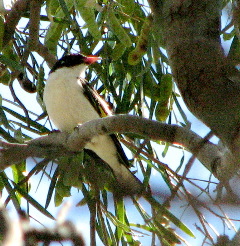
Deniliquin, looking for superb parrot and other woodland species.These could include crested shrike-tit, diamond
firetail, white-winged triller, red-capped and hooded robins, varied
sittella, western gerygone and a host of thornbills. Other species we could encounter this morning might include grey-crowned babbler and apostlebird.
We will return to Deniliquin
at about 1 p.m. Around 3 p.m. we head
out to the plains north of Deniliquin, stopping to bird in various habitats
en route. A patch of boree (Acacia pendula) woodland is often
good for honeyeaters such as spiny-cheeked, striped and singing, and
in summer, painted honeyeater may be present. Buebonnet might also be seen here.
Another stop will be
a black box (Eucalyptus largiflorens) woodland where, knock on
wood, an owlet nightjar might be seen. Other species could include western
warbler (gerygone), chestnut-rumped thornbill, weebill and southern
whiteface.
If seasonal conditions
are right, we’ll look at some remnant sandhill vegetation consisting
of native pine and eremophilas. Black honeyeaters might be about if
the eremophilas are flowering and the lovely white-backed swallow is often present around the sandhills.
Out on the plains proper,
if the rains have been good, brown songlark, Horsfield's bushlark and white-winged
fairy-wren should be seen; likewise, the other denizens of the
open plains — spotted harrier and black falcon. In the more sparsely
vegetated areas we’ll look for banded lapwing, and in some years
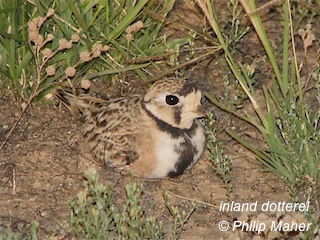
we’ll also see Australian pratincole and inland dotterel. After
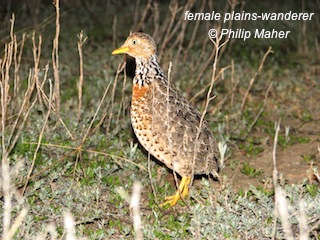
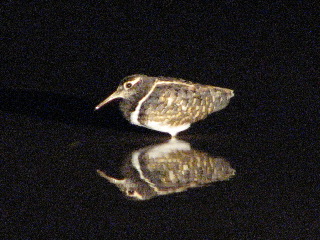
dark we’ll spotlight for plains-wanderer, our flagship species. If conditions are favourable, we may also see stubble
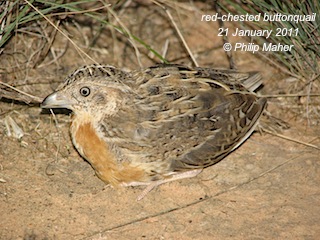
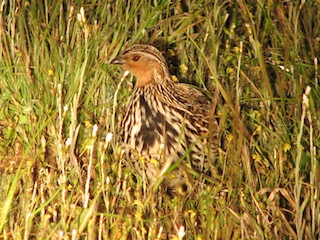
quail and little buttonquail and very occasionally, red-chested buttonquail. A cute mammal, the fat-tailed dunnart is often seen. On the way home we could spotlight a barn owl and/or a boobook owl.
Arrival back in Deniliquin
can vary from 10 pm to 2 am depending on how long it takes to find a plains-wanderer (or call it quits) and the time of year.
Overnight: Deniliquin
Check the Latest News page for the species that have been seen recently.
Day 2
Our start this morning will depend on what time we arrived home the
previous night and the season. We'll look for species we missed yesterday and perhaps check out sites in the River Redgum forests for little eagle, collared sparrowhawk and square-tailed kites. Other possibilities here include azure kingfisher, dollarbird and tawny frogmouth.
After lunch, we'll concentrate on waterbirds. If the season has been good and wetlands have filled, Australasian bittern, a rarity, is a chance. Crakes can be present and include Baillon's, spotless and Australian spotted. Other possible waterbirds include red-kneed and black-fronted dotterels and black-tailed nativehen. An assortment of possible ducks could include Australian shelduck, musk duck, blue-billed duck and in some years, the highly nomadic freckled duck.
Overnight: Deniliquin
Day 3
Today we will leave the Deniliquin area, travelling to the foothill
forests of the Great Dividing Range, about two hours drive south-east
of Deniliquin. This area has a higher rainfall and different soils and
topography. The eucalypts in this area are various species of ironbarks and stringybarks,
often with an understorey of shrubs. Specialities of the area include
a bag of honeyeaters, such as yellow-tufted, fuscous, black-chinned,
brown-headed, and another chance for painted honeyeater. The delightful speckled warbler may also be present at this locality as well as turquoise parrot. After lunch in the field we’ll
visit a daytime roost where barking owl may be present and later we'll visit some swamps for Australasian shoveler and Latham’s
snipe and other waterbirds.
Overnight: Beechworth area
Day 4
This morning we will visit more dry eucalypt forest with an understory
of shrubs. This is the territory of two difficult species — the
spotted quail-thrush and its companion, chestnut-rumped heathwren. Other
species often include fan-tailed cuckoo, shining bronze-cuckoo,
scarlet and yellow robins and white-throated gerygone. Some years, painted buttonquail is present here and it's a good area for koala.
After lunch, we'll visit backup spots, if need be, for increasingly difficult species such as turquoise parrot. We'll be on the look out for the endangered regent honeyeater and check out any locations of recent sightings. Little lorikeet is also a chance. After dinner, we'll go night spotting for white-throated nightjar and have more chances of southern boobook and koala.
Overnight: Beechworth area
Day 5
Today we will bird the slightly wetter eucalypt forest around Beechworth where we have a good chance of seeing a gang-gang cockatoo, and red-browed treecreeper and satin bowerbird. In the summer months we may be lucky enough to see cicadabird. Other species We may also see eastern spinebill, yellow-faced and
white-naped honeyeaters. In the afternoon we
will return to Deniliquin, stopping en route to look at apostlebirds and brolgas if we haven't already seen them. Black falcon and spotted harrier are also a chance through here.
Overnight: Deniliquin
Day 6
This morning we will drive west of Deniliquin following the floodplain
of the Edward River until we cross the Murray River into Victoria.
We continue west through cleared mallee until we reach some large areas of
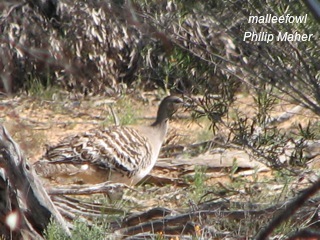
uncleared mallee. Here we have a good chance of the elusive malleefowl,
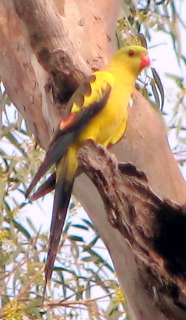
as well as chestnut quail-thrush, chestnut-crowned babbler, regent parrot,
Australian ringneck, crested bellbird and splendid and variegated fairywrens. Further west
again, we reach a much larger area of virgin mallee. Here, if we have time, we search
for the southern scrubrobin and shy heathwren and if not, we'll come back tomorrow.
Overnight: Ouyen
Day 7
Today we return to the Mallee in search of its most elusive residents
and two of Australia’s best birds — striated grasswren and
mallee emu-wren. Other species we could encounter
include Major Mitchell's cockatoo, mulga parrot, yellow-plumed and white-fronted honeyeaters and red-backed
kingfisher. If seasonal conditions are favourable,
white-browed and masked woodswallows should be about and we have more chances for owlet nightjar, white-backed swallow and crested bellbird.
After lunch we will return
to Deniliquin, perhaps visiting wetlands en route. We may pick-up blue-billed
duck as well as some waders such as marsh sandpiper, sharp-tailed sandpiper,
red-capped and black-fronted dotterels.
Overnight: Deniliquin
* red-lored whistler is also a possibility but ususally requires a second night at Ouyen.
© 2018 Australian Ornithological Services P/L